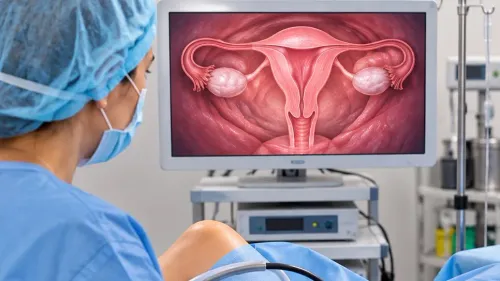

Choose a general doctor for broad or undifferentiated health problems, and choose a gynecologist when symptoms involve menstruation, the pelvis, reproductive organs, pregnancy, contraception, fertility, or menopause. The right first appointment depends on the symptom, its urgency, your age and medical history, and whether you need a pelvic or reproductive evaluation.
Key takeaways
- See a general doctor for routine illness or unclear symptoms.
- Choose a gynecologist for pelvic, reproductive, pregnancy, or sexual-health concerns.
- Seek urgent care for severe pain, heavy bleeding, fainting, or pregnancy emergencies.
- Record symptoms, dates, medicines, and pregnancy possibility before your appointment.
Which doctor should you see first for your symptoms?
Start with a general doctor for a routine illness or unclear complaint; choose a gynecologist when symptoms clearly involve reproductive organs, the pelvis, pregnancy, or sexual health. Choosing a gynecologist or general doctor in Navi Mumbai also depends on where the symptom occurs, how long it has lasted, and whether pregnancy is possible.
| Doctor | Best first contact | What the doctor can do |
|---|---|---|
| General doctor | Fever, cough, mild gastroenteritis, blood-pressure care, diabetes checks, thyroid screening or follow-up, medication refills, urinary symptoms without vaginal symptoms, and general preventive care | Take your history, examine you, order blood or urine tests, manage chronic disease, and refer you |
| Gynecologist | Abnormal vaginal bleeding, missed periods, persistent pelvic pain, painful intercourse, unusual discharge, vulvar changes, contraception, fertility, pregnancy-related symptoms, menopause, cervical screening, or breast concerns | Investigate reproductive and pelvic causes directly and arrange specialist tests or treatment |
The roles overlap. A general doctor can begin an assessment of pelvic or urinary symptoms, while a gynecologist can evaluate reproductive causes more directly. Discharge does not prove a yeast infection; bacterial vaginosis, sexually transmitted infections, dermatitis, and a retained foreign body can look similar.
Age changes the decision. An adolescent with menstrual or vulvar concerns may benefit from a gynecologist experienced in adolescent care. An older woman with diabetes, thyroid disease, or several medicines may need coordinated primary care and gynecology.
Seek emergency care instead of booking a routine visit for sudden severe pain, collapse, very heavy bleeding, high fever with pelvic pain, or suspected ectopic pregnancy.
When does a symptom need gynecology rather than general medicine?
Book a gynecology assessment when the symptom involves reproductive organs, menstrual changes, pregnancy, or persistent pelvic problems. A gynecologist consultation in Nerul is appropriate for:
- Bleeding between periods, bleeding after sex, unusually heavy or prolonged periods, or any bleeding after menopause
- Persistent pelvic pain, pain during sex, or a new vaginal or vulvar lump
- Recurrent unusual discharge, missed or irregular periods, or a possible pregnancy
- Contraception questions, fertility concerns, or menopausal symptoms
Discharge alone does not prove a yeast infection. Bacterial vaginosis, sexually transmitted infections, dermatitis, and a retained foreign body can produce similar changes in colour, smell, or texture, so repeated self-treatment can delay the correct diagnosis.
A general doctor can begin evaluating discharge or a suspected urinary tract infection, especially when you have burning urination without vaginal symptoms. Escalate to gynecology when symptoms recur, pelvic pain or fever appears, pregnancy is possible, bleeding occurs, or treatment fails.
Ask about cervical screening separately from symptom evaluation. Screening is intended for people without symptoms; it does not replace assessment of abnormal bleeding, pelvic pain, or a visible vaginal or cervical lesion.
If you are deciding when to see a gynecologist in Navi Mumbai, use these symptoms—not a routine screening appointment—as the trigger for specialist review.
Could the problem be urinary, gastrointestinal, hormonal, or an emergency?
Lower-abdominal or genital symptoms do not always come from the reproductive organs. Burning urination, frequent urination, blood in urine, or flank pain points toward a urinary tract infection or kidney stone; diarrhoea, vomiting, constipation, or cramping can indicate gastrointestinal illness.
1. Choose a general doctor first when the complaint is unclear, or when you have urinary symptoms without vaginal symptoms, fever, mild gastroenteritis, or another non-reproductive concern.
They can order urine testing, a pregnancy test, complete blood count, blood glucose, thyroid tests, or other targeted investigations, then refer you if a pelvic cause needs specialist review.
2. Ask when to see a gynecologist in Navi Mumbai if symptoms include abnormal bleeding, persistent pelvic pain, pain during sex, pregnancy concerns, or recurrent discharge. Discharge does not prove a yeast infection; bacterial vaginosis, sexually transmitted infections, dermatitis, and a retained foreign body can look similar.
3. Report fatigue, paleness, breathlessness, or a rapid heartbeat after heavy periods because these symptoms can indicate anemia. Changes in periods, weight, heat or cold tolerance, or heart rate can require thyroid testing.
4. Seek emergency care for sudden severe pelvic or abdominal pain, severe one-sided pain, fainting, collapse, very heavy bleeding, high fever with pelvic pain, shoulder-tip pain, or suspected ectopic pregnancy. During pregnancy, bleeding, severe pain, fits, severe headache with visual symptoms, or reduced fetal movement requires an obstetric emergency service or hospital assessment.
What should you expect from preventive and reproductive care?
A well-woman visit can be worthwhile even when you feel well. It may cover contraception, pregnancy planning, menstrual and sexual-health history, mental-health screening, vaccination review, blood pressure, and age- and risk-appropriate cancer screening. A pelvic examination is not automatic; symptoms, age, history, and the proposed test determine whether you need one.
| Clinician | Useful for | What happens next |
|---|---|---|
| Gynecologist | Contraception, fertility, pregnancy planning, menstrual problems, menopause, pelvic symptoms | Reproductive assessment, targeted examination, tests, or referral |
| General doctor | Diabetes, thyroid disease, blood pressure, fever, cough, medication reviews, general prevention | Initial tests and treatment, with gynecology referral when needed |
Contraceptive counselling should compare effectiveness, side effects, contraindications, STI protection, fertility plans, and your preferences. Condoms reduce STI risk; most hormonal methods and intrauterine devices do not. A women health doctor in navi mumbai can help match the method to your medical history rather than to a friend’s experience.
Fertility assessment usually starts after 12 months of regular unprotected intercourse if you are under 35, or after 6 months at 35 or older. Seek earlier assessment for irregular periods, suspected endometriosis or tubal disease, prior pelvic infection, recurrent miscarriage, or male-factor risk; assess both partners.
After 45, menopause is usually diagnosed from symptoms and menstrual changes without routine hormone testing. Any bleeding after menopause needs evaluation. Keep a general doctor involved for ongoing diabetes, thyroid, blood-pressure, or other non-reproductive conditions.
How should you compare doctors and prepare for the appointment?
Choose by clinical fit, not by the shortest route. For a gynecologist or general doctor in Navi Mumbai, compare the problem each clinician is equipped to assess.
| Option | Best starting point | Confirm before booking |
|---|---|---|
| General doctor | Unclear symptoms, several chronic conditions, fever, urinary symptoms without vaginal symptoms, diabetes, thyroid or blood-pressure care | Ask how pelvic concerns will be referred |
| Gynecologist | Abnormal bleeding, pelvic pain, missed periods, discharge, contraception, fertility, menopause or pregnancy-related symptoms | Confirm the clinician evaluates your specific symptom |
| Either, with escalation | Initial assessment when the cause is uncertain | Check follow-up, test referrals and hospital access |
Check the doctor’s qualification, registration, stated scope of practice, appointment availability, follow-up process, and access to laboratory or imaging referrals. Ask who handles emergencies and which hospital receives patients.
A women’s health doctor in Navi Mumbai should not replace emergency care: sudden severe pain, collapse, very heavy bleeding, high fever with pelvic pain, or suspected ectopic pregnancy needs urgent hospital assessment.
For a gynecologist consultation in Nerul, confirm the symptom is within the clinician’s scope instead of relying on the clinic label. Dr Agrawal Clinic Nerul Navi Mumbai is one local option to compare on those clinical factors.
Before the visit, record:
- First day of your last menstrual period and usual cycle length
- Number of bleeding days, pad or tampon changes, clots and pain severity
- Pregnancy possibility, medicines, allergies and previous operations
- Earlier test results, reports and the questions you want answered
Related service
Gynecologist consultation Looking for expert gynecologist consultation in Nerul? Dr Amit Agrawal provides comprehensive women’s healthcare with a focus on personalized... View service → |
Frequently asked questions
Which doctor should you see first for unclear symptoms in Navi Mumbai?
Start with a general doctor for a routine illness or an unclear complaint. Choose a gynecologist when symptoms clearly involve reproductive organs, the pelvis, pregnancy, or sexual health.
When should you see a gynecologist in Navi Mumbai?
Book a gynecologist consultation for abnormal vaginal bleeding, pelvic pain, unusual discharge, painful periods, fertility concerns, pregnancy care, contraception, menopause symptoms, or sexual-health concerns.
Could pelvic symptoms come from the urinary or gastrointestinal system?
Yes. Burning urination, frequent urination, and blood in urine suggest a urinary problem; diarrhoea, constipation, vomiting, or pain linked to bowel movements suggest a gastrointestinal cause. Severe or sudden symptoms need urgent assessment.
What should you take to a gynecologist appointment?
Take a list of medicines, previous reports, your last menstrual period, symptom dates and patterns, and information about pregnancy possibility, contraception, allergies, and previous procedures.
Keywords